Brighton is a very attractive place to build a tech career, as it has a growing tech sector, a growing digital sector, with a coastal lifestyle and good transport, housing and education options. Whether you’re weighing up a move from London already based nearby, or planning your next step in tech, this role will guide you through salaries, roles, smart city developments, cost of living, neighbourhoods, and life outside of work so you can decide if Brighton is the right fit for you.
Overview:
- Tech Sector in Brighton
- Tech Job Market in Brighton
- Tech Job Salaries in Brighton
- Technical Advancements and Smart City Initiatives
- The Cost of Living in Brighton
- Housing in Brighton
- Buying in Brighton
- Commuting and Public Transport in and Around Brighton
- The Education System in Brighton
- Life Outside of Work in Brighton
- Using Brighton Technology Recruitment Agencies for Tech Jobs in Brighton
Tech Sector in Brighton
Brighton’s tech scene continues to grow and is built around the close links between business and research. The city is at the heart of the Greater Brighton City Region, which continues to attract investment and encourage collaboration across local universities and private firms. According to Wired Sussex, Brighton’s creative and digital industries now add more than £1 billion each year to the regional economy and provide work for around 16,000 people.
New companies benefit from a supportive local network. Organisations such as Plus X Innovations and Digital Catapult Brighton help founders access workspaces and technical resources needed to turn early ideas into commercial products.
Both the University of Brighton and the University of Sussex contribute directly to the city’s progress. Their research spans artificial intelligence, sustainable computing, digital health. Graduates often move into Brighton tech jobs through programmes such as Sussex Digital Futures. The connection between education and business continues to make Brighton a focal point for technology growth along the South Coast.
Tech Job Market in Brighton
Brighton’s tech job market has seen a steady growth in recent years as more companies choose to build their businesses in the city. A mix of established firms and new ventures are hiring across a range of technical and digital roles, and the local employment market now plays a key part in the wider South Coast economy.
Key points about Brighton’s tech job market:
- The digital sector is worth more than £1 billion annually and supports around 16,000 jobs, according to Wired Sussex.
- Support from groups such as Plus X Innovation and Wired Sussex gives smaller businesses access to funding advice and professional guidance.
- Ongoing investment through the Greater Brighton City Region has strengthened the city’s digital infrastructure and improved broadband access.
- Leading employers, including Brandwatch, MPB, and Unity Technologies continue to recruit locally to keep a large pool of skilled talent in the area.
- Collaboration between the University of Brighton and the University of Sussex means that research projects and graduate training are closely linked with the needs of the local businesses through initiatives such as Sussex Digital Futures.
The city has become known as a place where technology careers can develop without the need to move to a major metropolitan centre. All of these attract professionals who want to be part of a growing, creative environment on the South Coast.
Tech Job Salaries in Brighton
Brighton’s technology sector has grown, and salary levels now reflect this. Pay varies according to experience and responsibility, with clear steps in progression from graduate roles to senior leadership positions.
Typical salary ranges in Brighton’s tech job market:
- Senior positions: Roles with higher responsibility, such as senior software engineers or technical leads. The pay is often from mid £40,000s up to around £60,000 a year. Contract rates at this level commonly sit in the region of £450 to £550 per day, which is in line with wider South East and UK senior developer benchmarks.
- Mid level positions: Salaries usually begin in the lower £30,000s and can rise to the upper £40,000s once professionals have several years of experience. Contract work is widely available and is in the £350 to £450 per day range, which is below senior rates but still good compared to the permanent salaries.
- Entry level positions: Starting pay sits mostly in the low to mid £20,000 for junior developers. These salaries tend to rise fairly quickly as individuals gain knowledge and professional certifications. Contract roles at this level often sit in the £250 to £325 band, reflecting the training still required.
Brighton’s tech job salaries are supported by the continuous demand for skilled engineers. For more specific guidance, you can now access Hexwired Recruitment’s 2026 salary and recruiting trends guide, which provides the most accurate data for this year.
Technical Advancements and Smart City Initiatives
Some of Brighton’s recent smart and digital advancements include:
- Stronger coordination between digital planning and urban development, so data and infrastructure are used in a more joined up way.
- Support for start ups through flexible workspaces and tailored business advice.
- A push towards low carbon, modern workspaces so growing companies operate from more energy efficient buildings.
- Ongoing work to improve fixed connectivity and mobile coverage which gives residents and employers more reliable high speed access.
- There is an increased focus on cleaner transport options, including a wider use of electric vehicles and improvements to public transport.
- Integrating environmental goals into smart planning, using data and digital tools to monitor emissions, and resource use.
- Efforts to widen access to devices and online learning so that more residents can benefit.
- Growing interest in digital projects that support health and wellbeing which links innovation to people’s quality of life.
The Cost of Living in Brighton
Brighton has a coastal lifecycle that many people see as more manageable than living in London, while still having access to varied amenities and services in the job market. Day to day life can feel less pressured, and many residents find that they can have a better balance between work and leisure than they might have in London.
Main points about Brighton’s cost of living:
- Recent data shows average property prices in Brighton at around £400,000 – £450,000, compared with London averages that are often closer to £500,000 – £550,000 or more.
- Typical monthly rents for a one bedroom flat in central Brighton often fall in the £1,200 – £1,500 range. However similar properties in many London zones can be nearer £1,800 – £2,200.
- Because the baseline price is lower than that of many London boroughs, some residents find they can secure a slightly larger or better located home in Brighton for a similar monthly budget to what a smaller London property would cost.
Everyday spending
- A weekly food shop for one person in Brighton might come in around £40 – £60, depending on the supermarket choice and lifestyle. This is broadly comparable to but often a little below what people report spending in central London branches of the same chains.
- A mid range restaurant meal is commonly in the £15 – £25 per person range before drinks. Gym memberships are often around £25 – £50 per month. These prices are often lower than equivalent offers in many central London areas, where venue and property costs increase.
Transport and utilities
- Local bus passes in Brighton typically cost less than London’s full Travelcard options, and many people rely on shorter journeys. This keeps overall travel and spend costs low.
- Monthly energy bills will vary depending on the size of property, but many households in Brighton report combined gas and electricity in the £120 – £200 range.
- Home broadband packages are often between £25 – £40 per month, which is in line with or slightly below what many households pay for many similar services.
All together, Brighton’s mix of lower housing pricing than many parts of London, and generally lower travel outgoings makes it appealing for people who want good amenities and career options without London level expenses.
Housing in Brighton
Brighton has a lot of housing options that work for people that relocate for tech roles. There is a choice of flats in the centre and family homes in surrounding neighbourhoods. Prices are generally below many parts of London, even though Brighton is one of the pricier locations outside the capital.
City centre homes
Brighton’s central areas include modern purpose build blocks and converted period apartments close to shops, bars, restaurants, and Brighton railway station. This setup appeals to younger tech professionals who want to live near workspaces. Normal sale prices for central flats often sit in the low to mid £300,000s, with some smaller one bedroom properties coming in below that. Average city centre prices are usually lower than many central London boroughs, which helps keep living costs manageable.
Average city‑centre values are usually lower than many inner London boroughs, which helps keep overall living costs more manageable in the early and middle stages of a tech career.
Family friendly areas
Neighbourhoods a short distance from the centre tend to attract household that are looking for more space and access to schools whole staying within a reasonable commute to central Brighton. Terraced homes in these areas often fall somewhere around the £350,000 to £425,000 mark. Semi detached properties usually are higher, around the £425,000 £500,000 range. These areas give families room to grow without the higher entry costs in London.
Larger and detached properties
For people who want some extra room and outdoor space, there are also three and four bedroom houses and detached homes. These often also come with gardens and off street parking in parts of the city and nearby commuter settlements. Detached properties in Brighton can frequently reach into the £550,000 to £750,000 bracket. Across all property types, average sale prices in and around the city are below the London averages.
Overall, the combination of central apartments and more spacious family homes makes Brighton a flexible option for tech professionals at different stages in their careers and with varying housing needs.
Buying in Brighton
Brighton’s housing market is expensive for a regional city, but it still has better value than many parts of London, and it has shown steady long term growth that appeals to both buyers and investors. Recent figures indicate that the average property price in Brighton is now in the region of £408,000 – £416,000, and some sources put recent sold averages slightly higher at around £507,000.
Typical Brighton property prices:
- Detached homes: Recent data shows detached properties in Brighton averaging between about £602,000 and £841,000. This offers space and privacy that suits families and higher budget buyers.
- Semi detached homes: Semi detached homes are typically around £440,000 – £542,000 which provides extra room and outdoor space without reaching detached house prices.
- Terraced homes: Terraced properties usually come in near £407,000 – £472,000, which makes them a common choice for buyers who want a house rather than a flat but need to stay closer to the mid market range.
- Flats and apartments: Flats are still the most affordable route into Brighton’s market, with averages ranging from roughly £256,000 – £304,000.
For people who are stepping on to the ladder, first time buyers in Brighton and Hove have recently been paying an average of about £344,000, while home movers typically spend closer to £496,000. New build homes often have a premium which means that averages for newly built properties are around £457,000 across the Brighton postcode area.
The ongoing investment in local infrastructure and continued demand from both owner occupiers and landlords keeps Brighton’s property market active. The city’s coastal appeal also means that many buyers view it as good long term despite the prices sitting above the national average.
Commuting and Public Transport in and Around
Brighton’s bus network is at the centre of the city’s public transport system and has a large share of people commuting daily to work and education. Services run through all the main residential districts into the city centre and key places such as Brighton railways station. This means most neighbourhoods have regular access to buses without having to take long walks to stops.
The majority of local routes are operated by Brighton & Hove Buses, which runs a network across Brighton, Hove, and nearby communities. Frequent city services are supplemented by longer coastal routes such as the Coaster lines, which link Brighton with places including Pacehaven, Newhaven, Seaford, and Eastbourne. This gives residents straightforward bus access to other towns without needing a car.
Timetables are designed around commuter and school patterns. So main routes typically run every through few minutes at busy time and maintain regular services in the evening. Real time information is available through apps and digital displays. This helps passengers plan connections with trains and reduce uncertainty at stops. Buses stop close to major shopping streets, universities, hospitals, and business districts. This makes them a practical option for people in tech and other professional roles.
The Education System in Brighton
Brighton education options from early years through to university. The city has a spread of primary, secondary, further, and higher education providers.
Primary schools
- Primary schools in Brighton generally follow the national curriculum and focus on core skills in literacy, numeracy, and early digital learning, so pupils have a strong basis for later.
- Many primary schools work within local partnerships which allows them to share expertise, specialist staff and resources, including support for disadvantaged pupils and those with special educational needs.
Secondary and independent schools
- At secondary level, Brighton has a mix of comprehensive and academy schools as well as notable independent provision.
- Brighton College is frequently highlighted as one of the best schools in Britain outside of London, with very high GCSE and A level results and national recognition in recent school results.
- This combination gives families a choice between state and independent routes. There are also different approaches to curriculum, and academic focus.
Further and higher education
- For after 16 options and degree level study, the University of Brighton and The University of Sussex have a wide range of courses. These include disciplines linked closely to the city’s tech and creative economy such as computing, digital media and business.
- Both universities run placement schemes and career support that connect students directly with local employers. This helps graduates move into roles within Brighton’s growing job market.
Altogether, Brighton’s primary schools, secondary schools and two established universities create a continuous education pathway that works well for families settling in the area for long term careers.
Life Outside of Work in Brighton
There is plenty to do in Brighton after work. Many people find they can finish their day by going to enjoy either a relaxed evening by the sea or something more active in the city.
Primary attractions
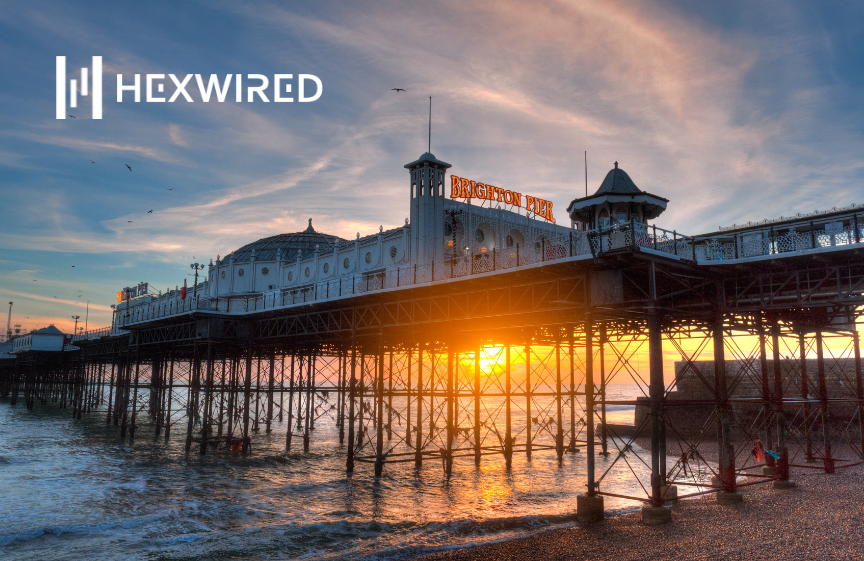
- Brighton’s seafront is the obvious focal point with the beach and Brighton Palace Pier, which gives residents somewhere easy to walk or grab food and drinks after work.
- The city centre has a wide choice of pubs, bars, independent cafes, and restaurants. This is especially around The Lanes and North Laine, so there is always somewhere to eat out or spend a few hours in the evening.
Parks, outdoors and exercise
- Green spaces such as Preston Park, Queens Park and Stanmer Park have room for funning, picnics, casual sports, and weekend walks. Also, the SouthDowns National Park just beyond the city for longer hikes and cycling.
- People who enjoy staying active have access to gyms, yoga and fitness studios, indoor climbing walls, and regular running and cycling groups that meet across the city.
Culture, events and nightlife
- Brighton has regular events throughout the year, including music gigs, comedy nights, art exhibitions, and theatre. They have venues like the Brighton Dome, the Theatre Royal, and a range of smaller spaces.
- The city is known for large annual events such as Brighton Festival and Brighton Fringe. These bring street performances and visitors to the city and give residents plenty of options close to home.
Shopping and everyday leisure
- For shopping, Churchill Square and the surrounding streets have high street brands. The Lanes and North Laine are better for independent shops, vintage stored, and specialist retailers.
- Many people build their daily routines around the coffee shops, cinemas, live music pubs, and seafront walks. This means that it is easy to unwind without needing to travel far.
All these options give Brighton a balanced feel outside of working hours. There is a variety for people who want a busy social life and quieter spaces for those who prefer relaxed time outdoors or by the sea.
Using Brighton Technology Recruitment Agencies for Tech Jobs in Brighton
Brighton has a good market for tech roles, and specialist recruitment agencies are an important part of how candidates and employers find each other. Instead of relying only on public job boards, many professionals use tech recruitment agencies to find roles that aren’t widely advertised. For candidates, working with a specialist technology recruitment consultant in Brighton means having someone who can talk through experience and working patterns before putting them forward. A good agency will help prepare candidates for an interview rather than simply passing applications on. This is especially useful for people moving into the area.
Local employers also benefit from this relationship. Rather than having to sort through a large volume of unsuitable candidates, they will receive a small number of people who have already been assessed against the technical and cultural needs of the team. That reduces time to hire and lowers the risk of a poor fit. Overall, using a dedicated tech recruitment agency in Brighton can make the hiring process more focused for companies and more targeted for candidates. This helps both sides navigate a busy local market with less effort and better results.
Brighton’s tech ecosystem, competitive pay, housing choices, and quality of life make it a realistic long term option for professionals who want strong career prospects without giving up their evenings and weekends to commuting. If you are exploring your next move in Brighton, or hiring into a local team, Hexwired Recruitment can help you understand the market and connect with roles and candidates you are unlikely to find through standard job boards. Get in touch with our team today!
About Hexwired Technology Recruitment
Hexwired recruitment is a top tech recruitment agency, providing tailored and cost-effective services for our clients, helping employers to hire skilled professionals in software engineering who are suited to the business needs quickly. Our technical consultants’ knowledge and understanding of the sector, alongside their experience in the tech industry, are one of the reasons we excel at finding you the right candidates in software.
We provide both contract and permanent solutions to the technology sector, covering areas such as Embedded Software, Electronics (FPGA, Digital Design, RF, IC Design), Software Test, Mechanical Design, C++ software engineer, Python, Golang, Machine Learning and Data Science, Technical Sales and Project management, and more. Need help hiring permanent/contract talent or looking for a new job? Contact us today.